
How to Build a Profitable Local Newsletter: TJ Larkin on content, Meta ads, and monetization
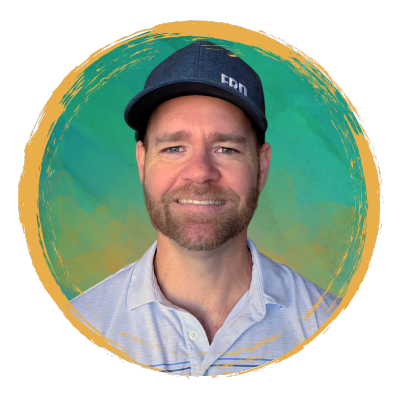
Founder of Local Media HQ
Founder of multiple community-focused newsletters across the U.S
.jpg)
B2B Marketing expert, Anushka Ventures
Renga is the owner-operator at LetterStack. He is passionate about writing and content and he gets to mobilize these passions with LetterStack, a place where anyone can learn how to create, grow, and monetize a successful newsletter brand. He also runs a niche marketing agency, Anushka Ventures.
Listen to Podcast
Podcast Transcript
[00:00:00] Renga: Welcome to another episode of the LetterStack podcast. Today’s episode is all about local newsletters.
[00:00:05] Renga: As the saying goes, it takes a village to raise a child. To extend that metaphor, it takes a local newsletter to build a local, engaged, thriving community.
[00:00:17] Renga: And nobody knows it better than TJ Larkin. TJ is one of the most prolific local newsletter operators I know. He has built more than 10 local newsletters in the US, and I’m guessing he has more on the way.
[00:00:29] Renga: I got TJ to come onto the pod to share how to build and grow a successful, profitable local newsletter.
[00:00:41] Renga: TJ, welcome to the podcast.
[00:00:44] TJ Larkin: Thanks for having me. I appreciate it. Happy to be here and help.
[00:00:49] Renga: Thank you. The honor is ours. Before we get into local newsletters, would you mind stepping back and telling us what got you started in local communities and newsletters?
[00:01:05] Renga: I believe you spent a lot of time traveling early in your career. Did that influence your decision to go local?
[00:01:15] TJ Larkin: It’s a combination of things. For the last six or seven years, I’ve had the entrepreneurial bug and kept trying to come up with unique ideas and businesses.
[00:01:33] TJ Larkin: I heard about this model about three years ago and wanted to pursue it, but didn’t because it takes a lot of time.
[00:01:40] TJ Larkin: I live in one of the fastest-growing parts of the United States, the Austin, Texas suburbs. When I heard about the concept again, my wife and kids were going back to school, and my wife wanted a side project.
[00:01:57] TJ Larkin: We put it together: she had time, we lived in a fast-growing area, and I knew about this model that most people didn’t. It seemed like a worthy strategy.
[00:02:05] TJ Larkin: Worst case, you still succeed because you build a local audience, and business owners will like and appreciate you. Even if you don’t make money, you gain skills and relationships. It felt like a win-win, so I went after it.
[00:02:29] Renga: Awesome. You said you heard about it three years ago. When did you start officially?
[00:02:38] TJ Larkin: I heard about it about three years ago and almost pursued it then, but did something else. We started officially about a year ago.
[00:02:51] Renga: Which area’s newsletter did you start with?
[00:02:56] TJ Larkin: Where I live, the Austin suburbs. We did one there, then realized the east side is also growing fast. We visit both, so we did it there too.
[00:03:13] TJ Larkin: We have two in the areas we live. Those were the first two. We learned a lot and made mistakes. It’s not rocket science, but it’s complex because there are many steps.
[00:03:30] TJ Larkin: When I told entrepreneurial friends about the opportunity, several were interested, but they didn’t want to learn everything, start from zero, or do the daily grind.
[00:03:43] TJ Larkin: So I partner with them. My team handles a lot of the backend work, and they focus on the polish while still getting the social benefits of being the local face in their town.
[00:04:00] Renga: So this would be Round Rock and which other area?
[00:04:05] TJ Larkin: Leander.
[00:04:10] Renga: Those are the only two you own outright.
[00:04:16] TJ Larkin: Yes. All the others are partnerships with people who like what I’m doing and want to do it in their areas.
[00:04:27] Renga: It takes a village, so I’m glad you’re partnering. For every suburb you serve, it takes a huge lift to source accurate info.
[00:04:50] Renga: You have a motto: no crime, no grim stories. To keep things cheerful, you still need a pulse on what’s happening in town. How do you do that behind the scenes?
[00:05:18] TJ Larkin: It’s a lot of research. For the two we do ourselves, I already see local stories in my Google News feed. A lot of it is crime, which isn’t interesting to us, but I still have a pulse on the area.
[00:05:39] TJ Larkin: Our team is constantly researching in the obvious ways. If I told you to learn everything about Leander, Texas, you’d do certain things. That’s what we do, constantly.
[00:05:51] TJ Larkin: AI will make it easier over time. It’s helped a little, but not as much as you’d think. There’s still a lot of work.
[00:06:05] TJ Larkin: Our partners do the same thing. They share what should be covered. They forward emails, suggest events and stories, and write the first-person editorial. We put it into the newsletter.
[00:06:35] TJ Larkin: They don’t want to be Beehiv experts. They don’t know how to use Beehiv, and they don’t want to. That’s what we do for them.
[00:06:43] Renga: So there’s a core team for compilation and curation, and contributors doing on-the-ground reporting?
[00:06:56] TJ Larkin: Not really. That’s a longer-term play. From a business perspective, in most places our competition is non-existent. Nobody’s doing this, especially in suburbs.
[00:07:19] TJ Larkin: I wouldn’t encourage people to do this in a city of millions because there are media companies. But smaller suburbs don’t really have good sources. People are starved for it.
[00:07:37] TJ Larkin: It doesn’t have to be amazing. There’s zero competition, and people want it. You’re not even charging money, so it’s easy to get readers and make them happy.
[00:08:02] TJ Larkin: We’re not doing a ton of reporting. I don’t think we need to, because what we’re doing isn’t journalism.
[00:08:10] TJ Larkin: Real local journalism is often crime and city politics. Many people don’t care about that. We focus on fun things happening in town: restaurants, new businesses, events, and what affects their lives.
[00:08:55] TJ Larkin: We give them what they want and skip what they don’t want.
[00:08:58] Renga: True.
[00:09:05] Renga: Let’s talk about content formats. What goes into a local newsletter like the Leander Scoop?
[00:09:39] TJ Larkin: We keep a mostly consistent framework to build habits. Some days differ, but it generally flows similarly.
[00:09:58] TJ Larkin: The mandatory building block is events. What’s happening in the community.
[00:10:04] TJ Larkin: In the suburbs, most “local” media is for the big city. I’m 30 or 40 minutes from Austin, and most listings are far away. Most suburban people don’t want to drive that far for an event.
[00:10:21] TJ Larkin: Curating only what’s relevant is valuable. We’ve asked readers in 12 cities, and they all say the same thing: they love the events.
[00:10:39] TJ Larkin: The other big content is new businesses, restaurants, and cool places to go, plus stories around them.
[00:10:50] TJ Larkin: I also think doing some news is valuable, even at a small scale. Maybe one or two stories per issue. It creates the feeling of knowing what’s happening in town.
[00:11:44] Renga: It becomes a conversation starter on your commute.
[00:11:49] TJ Larkin: Exactly.
[00:11:57] Renga: What cadence works best? Morning or end of day?
[00:12:12] TJ Larkin: We send ours around 6:15 a.m. We’ve mostly tried mornings. Midday was worse.
[00:12:24] TJ Larkin: Almost all local newsletter creators I know, including bigger ones like 6 a.m. City, send in the morning so it’s waiting when people wake up.
[00:12:49] TJ Larkin: Some people send at night or midday, but most are between 6:00 and 7:00 a.m.
[00:13:04] Renga: Awesome. What has worked for acquisition? Are you tapping offline sources too?
[00:13:42] TJ Larkin: We do almost exclusively Meta ads. When you can get a subscriber for 25 cents early on, then 50 to 75 cents at scale, and usually up to a dollar, there aren’t many other ways cheaper than that.
[00:14:12] TJ Larkin: A postcard is about 50 to 60 cents, and you still have printing costs. Meta is hard to beat.
[00:14:38] TJ Larkin: You should still try other things or free growth, but to make it work early, you need Meta ads. It costs money, but it is what it is.
[00:15:01] Renga: You have to spend money to get money.
[00:15:05] TJ Larkin: Spend money to build an audience. Local newsletters have very low acquisition costs compared to many other businesses.
[00:15:27] Renga: I also saw your growth hacks on Twitter, including cash drops. Matt talked about it for a Baltimore newsletter. I like it, but how sustainable is it?
[00:16:09] TJ Larkin: It can scale. People already do cash drops successfully at scale. They partner with businesses, drop cash at a business, and it brings people in. If the business pays for it, you can keep doing it.
[00:16:42] TJ Larkin: You don’t want to rely only on that, but as a supplement it’s great. A local media company should do many things.
[00:16:55] TJ Larkin: Green screen videos, interviews with restaurant owners, restaurant reviews, some news, and sharing events on social media. You should do all of these.
[00:17:11] Renga: I like the idea of doing it near a place like Costco. People will go in anyway.
[00:17:32] Renga: Let’s talk monetization. Beyond classifieds, job listings, and sponsors, are there unique monetization opportunities in local newsletters?
[00:18:05] TJ Larkin: The best unique monetization opportunity is having a second business.
[00:18:24] TJ Larkin: You can promote your other business in the newsletter, or cross-sell advertisers into something else. For me, that’s a digital marketing agency.
[00:18:47] TJ Larkin: A recent advertiser had a terrible website. If we send leads and they land on a bad site, they’ll leave. So we can build them a better site.
[00:19:16] TJ Larkin: If that goes well, we can run their Meta ads too. We get subscribers cheaply, so we can help them with paid growth.
[00:19:24] TJ Larkin: That’s how a local newsletter that might make 100,000 to 200,000 a year at scale can become much bigger with a second business.
[00:19:48] TJ Larkin: Many partners come to me because they already have businesses. For example, an insurance agent can market their agency because every adult is a potential customer.
[00:20:19] TJ Larkin: Another approach is selling packages instead of single newsletter ads.
[00:20:24] TJ Larkin: For example: four newsletter ads, three social posts, an article on the website, a banner ad, and a top spot in a local directory for a monthly fee.
[00:21:10] TJ Larkin: It’s a better sales path and more value, but it requires an active website, active social channels, and a directory.
[00:21:31] Renga: Talk to me about local directories. I think it’s an untapped opportunity.
[00:22:15] TJ Larkin: It’s basically a hyper-local Yellow Pages or Google Business-style directory. You scrape local business info and build your own directory.
[00:22:32] TJ Larkin: You get SEO value over time, you can push people to it from the newsletter, and it’s another thing to sell to businesses.
[00:23:12] TJ Larkin: It also makes sales easier. Selling ads is hard, but you can reach out and say, “I built a directory. Do you want to claim your listing for free?” That builds trust.
[00:23:51] TJ Larkin: Then you follow up later and invite them onto a podcast, and after that you talk about advertising. The directory helps you get your foot in the door.
[00:24:15] Renga: That’s a low-commitment way to build trust that compounds.
[00:24:28] Renga: How big is the Scoop network now?
[00:24:36] TJ Larkin: We’re launching two more soon, so around 13 or 14.
[00:24:44] Renga: And it’s not all based in Austin. You opened Scottsdale too?
[00:24:50] TJ Larkin: No, Scottsdale is John. I have one in Arizona, but I have three in Austin and the rest are across the country where my partners live.
[00:25:08] TJ Larkin: We have around 60,000 subscribers across all of them. A few are at 13,000 to 14,000. We started seven of them in the last month or so, and they’re around 3,000 to 7,000.
[00:25:41] Renga: That’s amazing. What does a typical day or week look like for you, running 10 plus newsletters and other work?
[00:26:25] TJ Larkin: The AI stuff is more on the side. My wife is the operations manager for content, so I don’t do much content. She manages the content team.
[00:27:00] TJ Larkin: I focus on high-level business and high-touch work. I talk with partners, manage ad campaigns, and set up Facebook pages, Instagram pages, and campaigns for new launches.
[00:27:20] TJ Larkin: I’m building software to make local newsletters easier, working with a development team, running a podcast on this topic, and writing a newsletter about the business model.
[00:27:45] TJ Larkin: It’s chaotic, but one employee acts as a manager and helps keep me in line. I couldn’t do it all myself.
[00:27:56] Renga: I’m glad you have clear roles. LetterStack is about new newsletter creators.
[00:28:08] Renga: If someone wants to build a hyper-local themed community newsletter, like musicians in Austin or something in a college town, what would you advise in a 30-60-90 day timeline?
[00:28:51] TJ Larkin: My general advice is to not do that at the beginning and start with a broad local newsletter.
[00:29:06] TJ Larkin: When you go hyper-local, you cap your total audience by the population. It becomes harder to acquire subscribers, and you’re unlikely to make a lot of money unless you’re doing it for fun.
[00:29:58] TJ Larkin: If you want monetization, start with the biggest umbrella you can, because you can always niche down later.
[00:30:31] TJ Larkin: If you get 30,000 people in 12 months, then you can launch a second newsletter for a niche, like tech people in your area.
[00:30:57] TJ Larkin: Cheap acquisition is a big reason this model works. Meta can easily target everyone in an area. If you restrict to only parents or only tech, it gets harder and more expensive.
[00:31:25] TJ Larkin: A niche local newsletter can work if the audience is highly valuable and the operator is experienced.
[00:31:31] TJ Larkin: Ted Williams in Charlotte runs Tiny Money, a local financial newsletter. He did a general local newsletter first, then specialized. That can work, but it’s harder as a first attempt for most people.
[00:32:22] Renga: You can capture local subscribers cheaply, then look at subscriber data and decide to niche down. How would you do that?
[00:32:32] TJ Larkin: Use a post-subscribe survey. Ask if they’re a parent, if they own a home, and where they live.
[00:32:50] TJ Larkin: If they say they’re a parent, you segment them and send an email inviting them to a parenting newsletter or Facebook group.
[00:33:12] TJ Larkin: You collect everyone cheaply, then send targeted messages to the segment you care about.
[00:33:21] Renga: Last question. Local newsletters can spill over into real-world community.
[00:33:36] Renga: You can organize meetups and events. What has worked for you?
[00:33:55] TJ Larkin: We haven’t tried paid events yet. Michael Kaufman in upstate New York is doing it very successfully.
[00:34:06] TJ Larkin: I’ve done AI trainings, one for high school kids and one for business people, but I did them for free. I could charge in the future.
[00:34:23] TJ Larkin: Event monetization depends on location. Michael is in an area with wealthy vacationers who like restaurants and wine tastings.
[00:34:47] TJ Larkin: I’m in a typical American suburb with families who are busy. For me, it would make more sense to do family events, like renting out a bounce house place, and having a realtor sponsor it.
[00:35:16] TJ Larkin: We haven’t done events yet because we’re busy. Local newsletters give you a lot of optionality, but you can’t do everything. You have to pick one at a time.
[00:35:51] Renga: That applies to large global newsletters too. You can test many channels, but each takes time and attention.
[00:36:10] Renga: This has been an amazing conversation. Thank you for your time.
[00:36:15] Renga: For readers who want to learn everything about local newsletters, TJ runs a hub called localnewsletter.com. I’ll link it in the comments. You can also reach out to him on Twitter and LinkedIn.
[00:36:41] TJ Larkin: Sign up for the newsletter and check out the YouTube channel. Same name for both. Send me anything and I’ll see it.
[00:36:52] Renga: It’s a non-zero-sum game. The more people joining, the better. A rising tide lifts all boats.
[00:37:00] TJ Larkin: That’s right.
[00:37:02] Renga: Thank you, TJ. This has been a pleasure.
[00:37:04] TJ Larkin: Thanks for having me.
[00:37:06] Renga: Of course. Appreciate it. Thank you everyone.
[00:37:08] Renga: Thank you.
[00:37:09] Renga: All right.
Sponsors

We design exceptional brands, products, web apps, mobile apps, websites for startups and enterprises.


.png)
.png)
.png)

.png)
